Welcome to Building & Home Inspection Service (BHIS)
Commercial & Residential Building Inspection Service Perth
BHIS has been providing property buyers and sellers around Perth, WA with independent and accurate property reports since 1980. Our building inspection reports are the outcome of effective, thorough and well experienced team of Building Inspectors that have been servicing the industry for almost four decades.
BHIS is a registered inspection company with qualified Building Inspectors. Our Building Inspectors will make sure that you get a detailed analysis of all the major systems and components of your residential or commercial property.
Why People Choose Us
Purchasing your home or any other property is probably the largest investment you will ever make. Therefore, you should know as much as you can about the condition of your property before you buy and find out any need for major repairs or maintenance.
Independent and unbiased view of any defect your property
A professional home inspection gives you an independent and unbiased view of any defect your property may have and provides possible solutions for you to make an informed decision
30 years of experience
With almost 30 years of experience, we have developed a strong reputation for providing structural reports that will inspire confidence in any potential buyer
Certified Home Inspectors
our “unbiased and independent Reporting” by our Certified Home Inspectors around the area.
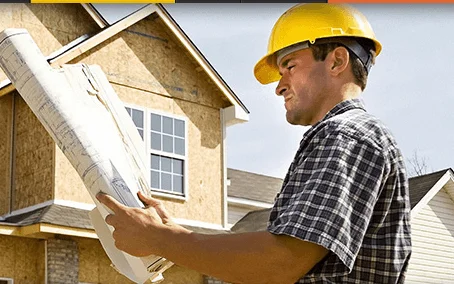
A building inspector is a professional who specializes in evaluating the safety, compliance, and quality of construction
projects. They play a crucial role in ensuring that buildings meet relevant codes, regulations, and standards.
Building Codes: Building inspectors are well-versed in local, state, and national building codes and regulations. They have
a deep understanding of the applicable codes, such as the National Construction Code (NCC) and others.
1. Construction Practices: Inspectors have knowledge of various construction methods, materials, and techniques. They
understand how different components of a building should be assembled and installed correctly, ensuring structural
integrity and safety.
2. Safety Standards: Building inspectors may access and enforce safety standards within buildings. This includes
evaluating fire safety systems, such as fire alarms, sprinkler systems, and emergency exits, as well as ensuring
compliance with accessibility standards, electrical
safety, and other relevant safety measures.
3. Structural Integrity: Inspectors examine the structural components of a building, including foundations, framing, walls,
roofs, and load-bearing elements. They ensure that the construction meets the required engineering and design
standards, ensuring stability and resistance to environmental factors.
4. Plumbing and Mechanical Systems: Building inspectors may assess plumbing systems, including water supply,
drainage, and venting, to ensure proper installation and compliance with plumbing codes. They also examine
mechanical systems, such as heating, ventilation, and air conditioning systems, to verify proper functionality and
compliance.
5. Electrical Systems: Inspectors may have knowledge of electrical systems and regulations and may assess the
installation, grounding, and overall safety of electrical wiring, fixtures, and equipment. They check for adherence to
electrical codes and potential hazards that could pose a fire or shock risk.
6. Inspections and Documentation: Building inspectors are skilled in conducting thorough inspections at various stages
of construction. They document their findings, prepare reports, and communicate their assessment to stakeholders,
including contractors, architects, and government authorities.
It's important to note that building inspectors often specialize in specific areas, such as residential, commercial, or
industrial buildings, or they may focus on particular aspects like structural inspections, energy efficiency, or fire safety.
They typically acquire their expertise through education, training, and professional experience in the field of construction
and building inspection.
When inspecting a building, it's important to prioritize safety to ensure your well-being. Here are some general safety
guidelines to follow during a building inspection:
1. Obtain necessary permissions: Obtain permission from the building owner or authorized personnel before conducting
an inspection. Ensure you have the right to access the premises.
2. Wear appropriate personal protective equipment (PPE): Use PPE based on the nature of the inspection and
potential hazards involved. This may include safety glasses, gloves, a hard hat, steel-toed boots, a high-visibility
vest, and a respirator if required.
3. Assess the structural integrity: Before entering the building, assess the overall structural stability and look for signs of
damage or potential hazards such as cracks, leaning walls, or sagging ceilings. If you suspect structural instability, do
not enter the building.
4. Check for electrical
hazards: Be cautious of electrical hazards such as exposed wiring, faulty electrical systems, or
overloaded circuits. Avoid contact with live electrical components and consider using a non-contact voltage detector to
identify potential dangers.
5. Watch for slip, trip, and fall hazards: Keep an eye out for uneven flooring, loose carpeting, debris, or other obstacles
that may cause slips, trips, or falls. Use caution when navigating stairs, ramps, or elevated surfaces.
6. Be aware of hazardous materials: Determine if there are any hazardous materials present in the building, such as
asbestos, lead-based paint, or mold. If you suspect the presence of hazardous substances, consult with experts
and follow proper protocols for handling and removal.
7. Ensure proper lighting: If the building has insufficient lighting, use a flashlight or portable lighting to properly see the
surroundings, especially in dark or dimly lit areas.
8. Maintain good ventilation: In poorly ventilated areas, be cautious of potential respiratory hazards, such as fumes,
dust, or mold spores. Open windows or use appropriate ventilation equipment when necessary.
9. Use appropriate tools and equipment: Use the right tools and equipment for the inspection, ensuring they are in
good working condition. Avoid using damaged or faulty tools that may pose risks.
10. Stay alert and focused: Pay attention to your surroundings and be mindful of your movements. Avoid distractions to
maintain awareness of potential hazards.
11. Follow safety protocols: Familiarize yourself with safety protocols specific to the building or organization. Adhere to
any established guidelines, emergency procedures, or evacuation plans.
12. Bring a colleague: It's often safer to conduct a building inspection with a partner. Having another person present can
provide assistance, support, and an extra set of eyes to identify potential hazards.
Remember, building inspections can vary significantly depending on the type of structure, its condition, and the purpose of
the inspection. It's crucial to use your professional judgment and take appropriate precautions to ensure your safety
throughout the process.
Purchasing your home or any other property is probably the largest investment you will ever make. Therefore, you should know as much as you can about the condition of your property before you buy and find out any need for major repairs or maintenance.
A professional home inspection gives you an independent and unbiased view of any defect your property may have and provides possible solutions for you to make an informed decision. With almost 30 years of experience, we have developed a strong reputation for providing structural reports that will inspire confidence in any potential buyer, due to our “unbiased and independent Reporting” by our Certified Home Inspectors around the area.
I found Peter easy to work with, efficient and ready to accomodate my requests. His report was in my email box the next day with any comments needed. Highly recommended
Great report to present with my building claim. I really appreciated your support over this whole process especially after your report was finalised and you had no obligation to assist me further when my claim was transferred to the SAT.
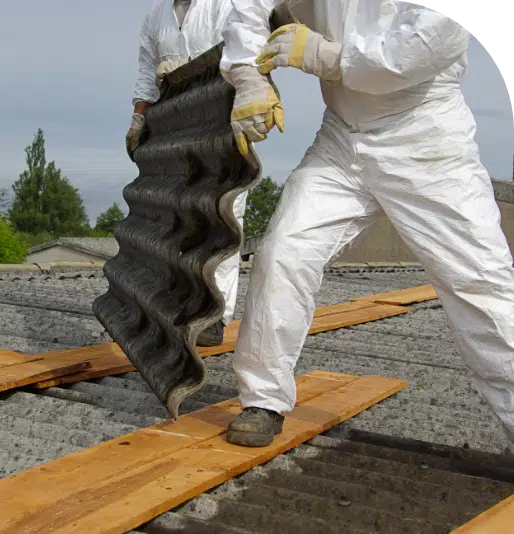
Before 1986, asbestos was widely used in the construction of residential homes. Common products made with asbestos included asphalt or cement roofing...